


What is the new Building Safety Act?

The new Building Safety Act came into force in April 2022 and was drawn up to make those responsible for safety defects in residential buildings liable to fix them and to protect Leaseholders from the costs associated with remediation.
What is fire compartmentation?

Fire compartmentation refers to a building’s fire safety in terms of how quickly smoke and fire would spread from one compartment (such as a flat) to other parts of the building through areas that should be sealed, such as riser cupboards.
What is an EWS1 form?
The EWS1 form was launched in 2018 after new safety regulations were introduced for cladding on residential buildings. It’s a form for lenders and valuers that certifies whether or not any residential building with cladding that is potentially combustible, has undergone a fire safety assessment.
A guide to PAS 9980 and its role in Building Safety Fund applications

The government launched its Building Safety Fund (BSF) in 2020 as part of its commitment to funding the remediation of unsafe cladding on high-rise buildings of 18 metres or more in height, with a 30cm tolerance.
Who Pays for Cladding Remediation

Do you live in, own or manage a building with unsafe cladding? In this post we’ll explore the question of who pays for cladding replacement in residential buildings, whilst looking at the government-backed support available for different-sized buildings.
Developers to Help Pay for Cladding Remediation
It has been confirmed that 49 Developers have signed the Government’s pledge committing to rectify critical life safety defects in buildings, 11m or higher, they constructed over the last 30 years.
Government to Protect Leaseholders With New Fire Safety Laws
The Government announced on 14th February 2022 that tough new measures were being introduced to protect Leaseholders from remediation costs and force Developers into ‘doing the right thing’.
Another £27m For Fire Alarm Installation
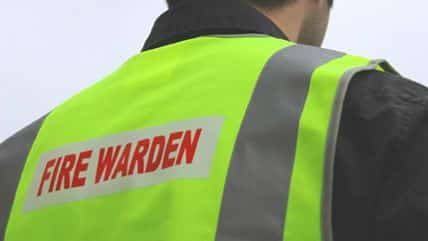
Further to Mr Gove’s announcements; the Government has today announced a further £27m to pay for the installation of Fire Alarm Systems in buildings over 18m, which currently have a waking watch in place.
Leaseholder Portal Launched
A Government Portal for Leaseholders has now ‘gone live’.
Mid-Rise Building Funding Announced

At the tail end of last year, rumours were gathering pace about Michael Gove announcing support for Leaseholders affected by dangerous cladding, in buildings between 11 & 18m. We covered this at the time here


